









Shop by Category
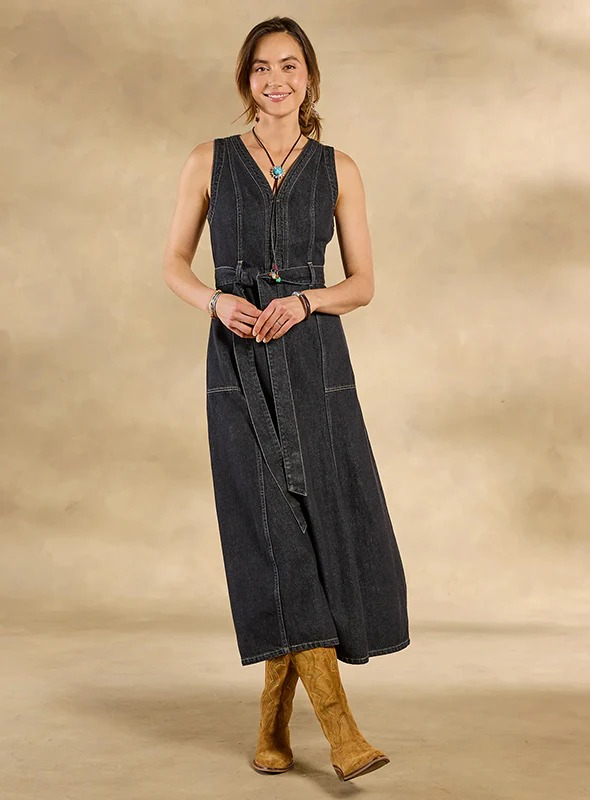
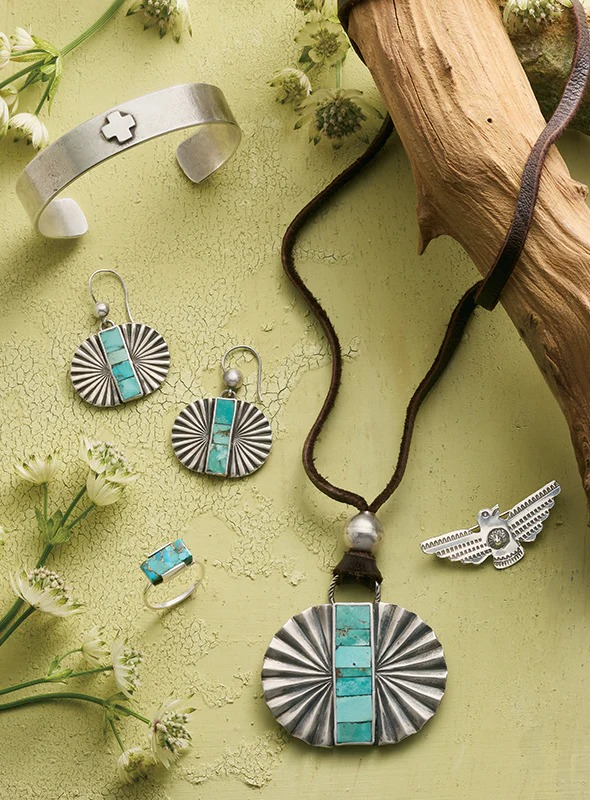
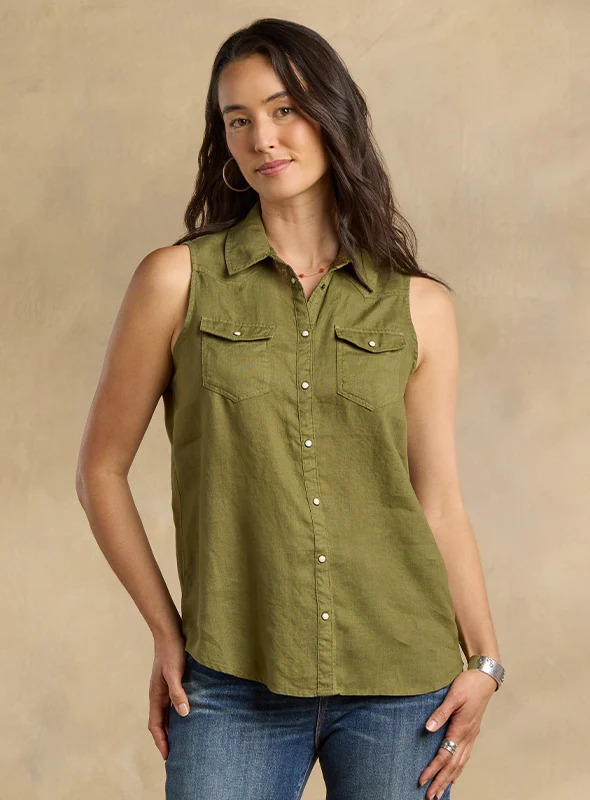
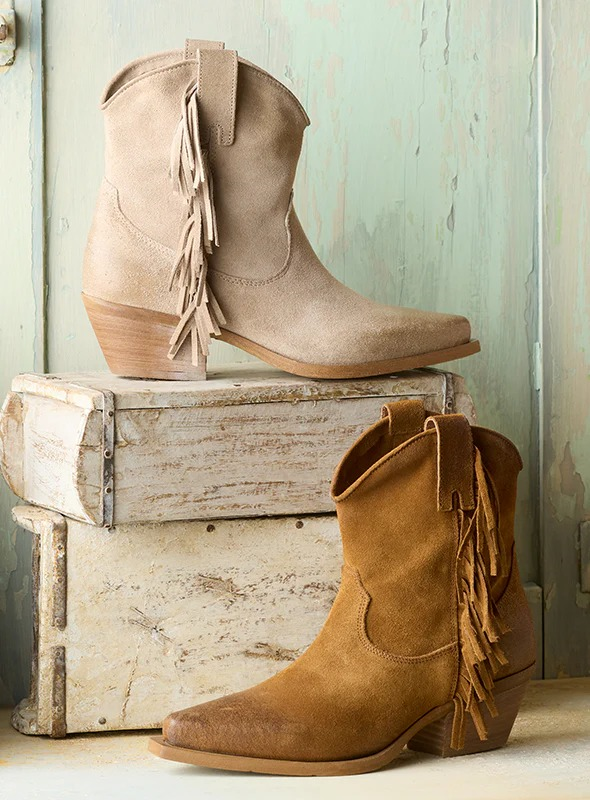
Classic Recommendation.
The Fabric of Self: Exploring the Depth of Feminine Attire
The act of embracing attire traditionally associated with the feminine is far more than a mere surface-level choice of clothing; it is a profound journey into the self, an exploration of identity that challenges the very foundations of societal expectations. This path, often termed by society with a single phrase, is in reality a rich and complex landscape of personal discovery, emotional liberation, and artistic expression. It speaks to a fundamental human desire to express the totality of one’s being, unrestricted by rigid, arbitrary boundaries drawn in the past.
For those who venture into this realm, the clothing itself—the flowing silhouettes, the delicate textures, the vibrant palette, the structure of tailored pieces—serves as a powerful medium. It’s a language spoken without words, allowing the wearer to communicate an inner truth that conventional masculine presentation may have suppressed or obscured. The initial moment of putting on a skirt or a dress, of applying a touch of color to the face, can be startling in its intensity. It often unlocks a part of the personality that has long been dormant, a softer, perhaps more expressive or playful facet of the self. This initial, private revelation is frequently described as a wave of euphoria, a feeling of “coming home” to an authentic self that has been waiting patiently for recognition.
The allure of this attire is multifaceted. For some, it is the sensory experience—the smooth slip of silk against the skin, the sway of a pleated garment with every step, the satisfying click of a heel on pavement. These tactile experiences are distinct from the typical experiences of masculine clothing, offering a new connection to the body and how it moves through the world. This heightened sensory awareness can become a source of comfort and deep, personal pleasure, creating a powerful emotional anchor.
Beyond the sensory, there is the powerful psychological impact. Societal norms have long prescribed specific emotional and behavioral scripts for genders, often linking certain emotional expressions to certain styles of dress. By adopting feminine attire, an individual may consciously or unconsciously grant themselves permission to access and express a wider spectrum of emotions—vulnerability, tenderness, elegance, or even a different kind of strength—that felt inaccessible in their traditional presentation. It is a form of emotional cross-training, expanding the wearer’s capacity for self-acceptance and emotional nuance.
The journey of integration is rarely linear. It involves navigating an internal world grappling with deeply ingrained social conditioning. The initial excitement often gives way to periods of introspection, questioning what this expression truly means for one’s overall identity. Is it a hobby? A therapeutic release? A truer reflection of self? The answer is often an evolving tapestry woven from all these threads. It is a process that requires immense courage, particularly when the decision is made to step out of the private sphere and into the public eye.
Public visibility introduces a new dynamic. The clothing now interacts with the outside world, inviting observation, judgment, and, increasingly, acceptance. It is in this public space that the act transcends the personal and becomes a subtle, yet potent, act of defiance against rigid dualism. Every person who presents themselves authentically, regardless of what society expects, contributes to the slow, steady dismantling of the idea that clothes possess an inherent gender. They are demonstrating, through their very presence, that style is a matter of personal affinity and expression, not a mandated uniform.
Moreover, the process often fosters a powerful sense of community. Connecting with others who share similar experiences, whether online or in person, provides invaluable support, practical advice on presentation, and the crucial validation that this expression is normal, healthy, and fulfilling. These connections transform what might feel like a solitary endeavor into a shared celebration of diversity and personal freedom.
Ultimately, the embrace of feminine attire is a deeply human narrative about freedom. It’s about the right to self-determine one’s aesthetic, to claim a space for complexity, and to reject the notion that a piece of fabric has the authority to dictate who one is or how one should feel. The exploration through this fashion is a vibrant, necessary commentary on the fluidity of identity and the boundless nature of the human spirit. It is a reminder that when we dress for ourselves, unburdened by external constraints, we are performing the most radical, beautiful act of all: simply being. This profound journey, draped in velvet, silk, or denim, continues to enrich the landscape of human self-expression, one thoughtful outfit at a time.